
A long list of games can look impressive at first glance. Scroll through enough titles and it may seem that the main job of an online gaming platform is simply to provide more choices.
That is not quite how people use these sites. Once a player has found the type of game they want, the next questions become much more practical. Where is the relevant section? How easy is it to move around? Can the account area be found without leaving the gaming page?
These details matter when someone searches for betflik casino. The search may identify a broad gaming destination, but it does not tell the user how that destination is organised once they arrive.
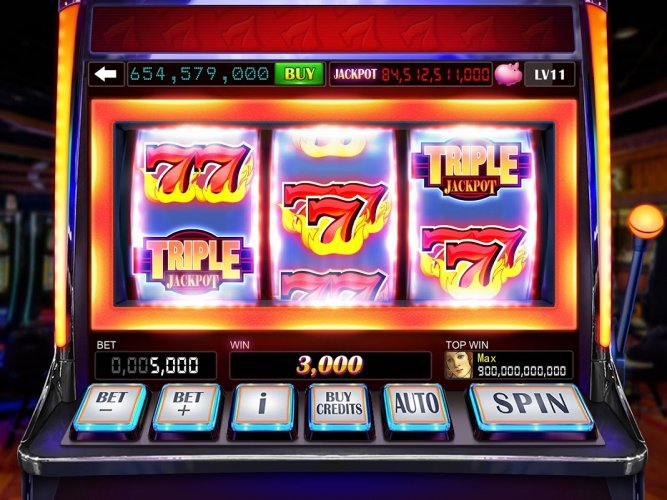
More games do not automatically mean easier browsing
A large game catalogue creates a basic problem. Choice is useful until there is too much of it.
When dozens or hundreds of titles appear together, names alone may not help much. Categories, search functions, filters, and sensible menus can make a bigger difference.
Someone looking specifically for betflix slots (สล็อต betflix) may not want to browse every available section. They already have a narrower interest. A clear route to that category saves time and makes the rest of the page easier to understand.
The same principle applies outside gaming. A shop with thousands of products still needs useful shelves and signs. More stock does not remove the need for organisation.
The menu tells its own story
A platform’s navigation can reveal quite a bit about how it expects people to use the service.
If the main categories are easy to spot, users can move through the site without repeatedly returning to the starting page. If everything is placed behind similar looking buttons, even a well stocked platform can become tiring to browse.
Small details matter here.
A category should sound like what it actually contains. A button should lead somewhere that matches its label. Important account areas should not be buried among unrelated game links.
These are ordinary interface choices, but they shape the experience more than a long list of titles does.
Game discovery is different from game selection
Finding a game and deciding whether to use it are two separate moments.
The first is about navigation. The second is about choice.
That distinction is easy to miss because gaming websites often put the game catalogue at the centre of the page. Yet a user may spend just as much time looking for a particular section as looking at the games themselves.
A search such as betflixbet can also show how quickly a person’s intention can become more specific. A broad platform search may lead to a category search, followed by a term connected with a particular service or game.
The page needs to support that narrowing process rather than making the user start again each time.
What is worth checking before choosing a game?
The exact factors will vary from person to person, but a simple check can make browsing less random.
- Category: Does the game appear in the section expected?
- Navigation: Can the user return to the wider catalogue easily?
- Information: Is the available game information clear?
- Controls: Are the relevant buttons and account functions easy to distinguish?
- Consistency: Do different pages follow a similar structure?
None of these points says whether a particular game or platform is right for someone. They simply help separate a usable interface from one that creates unnecessary confusion.
A catalogue needs context
A game list is only useful when the surrounding structure makes sense.
Imagine two platforms with the same number of titles. One groups them clearly and makes the search process straightforward. The other puts everything into one long stream.
The number of games is identical. The experience is not.
This is why judging a platform purely by its catalogue can miss something important. People do not interact with a spreadsheet of titles. They move through pages, menus, categories, and account areas. The organisation around the games becomes part of the experience.